
 WARNING: Cancer and Reproductive Harm - www.P65Warnings.ca.gov
Troubleshooting Tips:
- Unexpected noises – if you hear abnormal noises, such as rattling, squeaking, or clunking when driving over rough terrain, it may indicate you have suspension problems that need to be diagnosed.
- Vehicle sagging or leaning – if your coil springs are worn, you can visually catch the extreme cases by taking a look at your vehicle’s ride height. Actually measuring for proper ride height would tell you more accurately if you do have a problem.
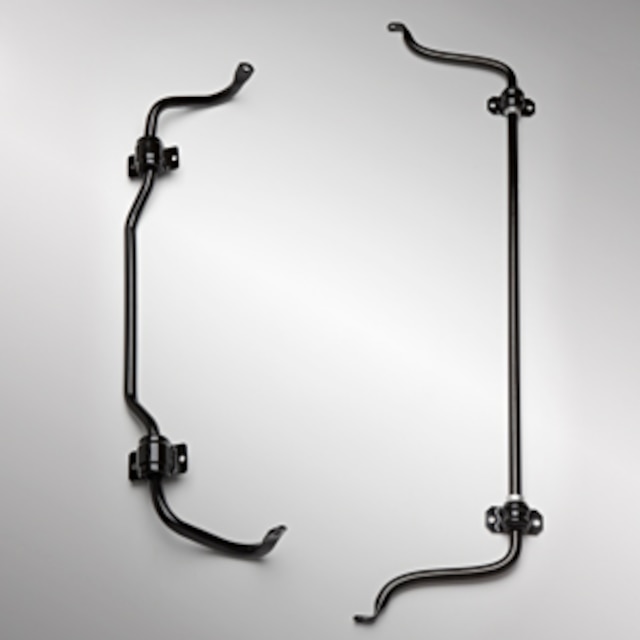
- Excessive body roll – excessive body roll or leaning when your vehicle turns corners may be a sign that your stabilizer bar link may be worn.
- Loose steering – if your vehicle’s steering feels wobbly or loose, particularly on quick turns, your stabilizing bar link may be worn.
- Abnormal tire wear – worn bushings may result in abnormal tire wear patterns.
- Alignment issues – an inability to set the proper alignment for your vehicle may indicate worn bushings.
- Fluid leaks – if you notice any fluid leaking from any parts of your suspension system there could be a seal failure somewhere.
- Excessive bouncing, dipping, or diving – if your vehicle has any excessive movement when passing over rough terrain there could be a problem with your suspension system, particularly your shocks and struts.
- Cracked, damaged, or deteriorating suspension parts – if you are visually inspecting your vehicle’s suspension system and see any of these signs, you should consider replacing those parts.
- Loose suspension parts – if you inspect your suspension system and notice any loose parts or the parts have too much play to them, these are signs that you need maintenance done or parts replaced.
- Contact with other components – if you notice your suspension parts are coming in contact with other components underneath your vehicle, it could be interfering with the functionality of your suspension system and should be fixed to avoid further complications.